Opinion
How It’s Not Trump But Vladimir Putin That Europe Is Stinging From: Trump’s U-Turn On Europe, Russia’s Strong Supply Chain—A Formidable Opponent!

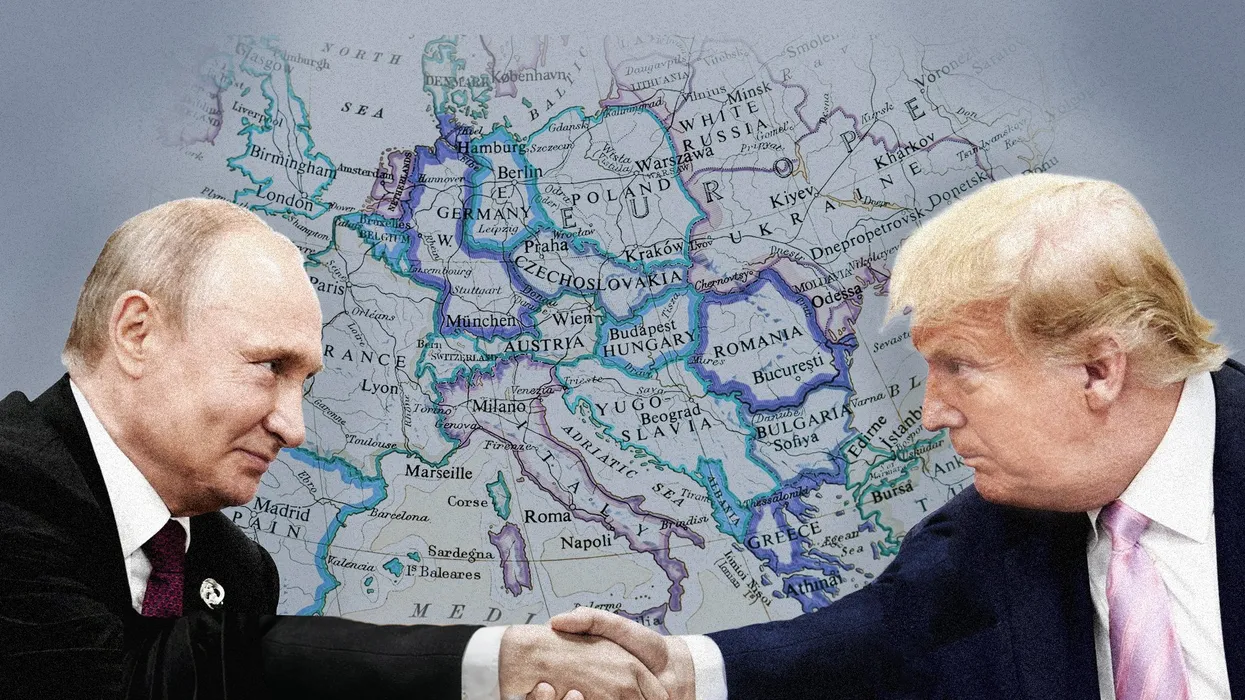
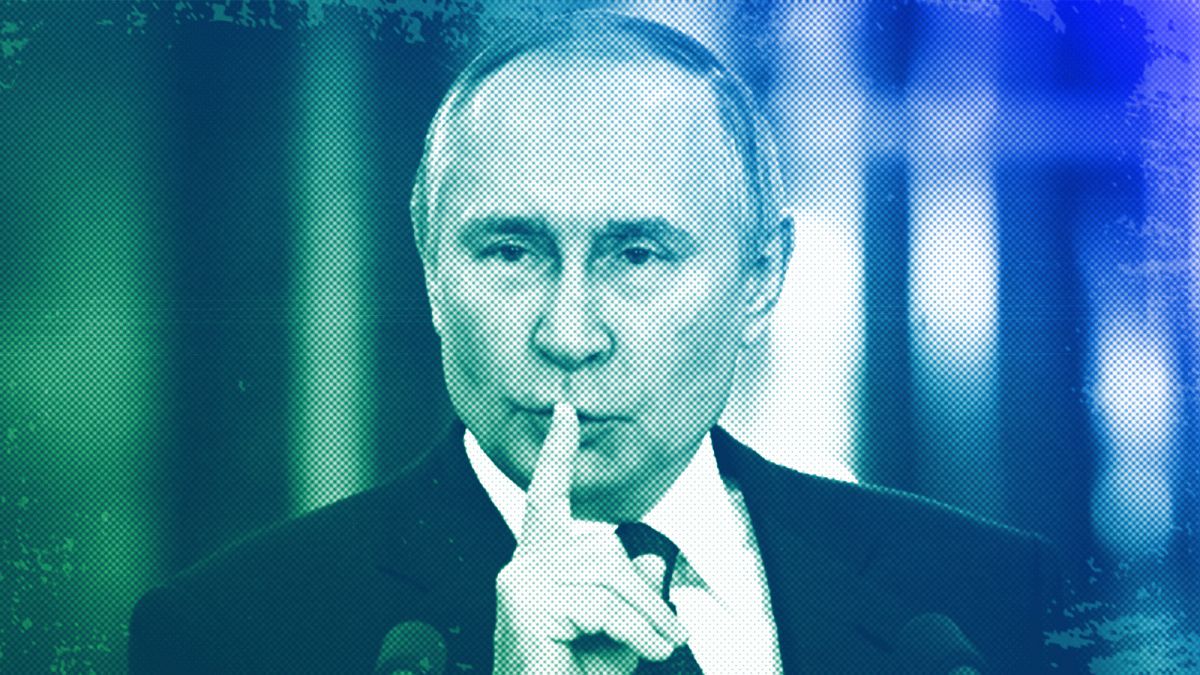
Europe is facing a sobering reality check, and it’s not Donald Trump but Vladimir Putin who is forcing the continent to reassess its security, supply chains, and military preparedness. While Trump’s rhetoric and policies have sent shockwaves through European leadership—especially his apparent cold shoulder to Ukraine—the real concern lies in Russia’s self-sufficiency in arms production and its increasing assertiveness on the global stage.
A Wake-Up Call for Europe
Trump’s recent statements about Ukraine and NATO have left European nations scrambling. From calling Ukrainian President Volodymyr Zelenskyy a “dictator” to suggesting Ukraine provoked Russia (before correcting himself), his stance signals a shift in U.S. priorities. His latest demand—that Ukraine must “pay back” the billions in aid it has received—has only added to European anxiety.
But perhaps the most unsettling development is Trump’s push for peace talks between Russia and Ukraine, seemingly without European representation. This has left European leaders wondering – if the U.S. is willing to sideline them in major geopolitical decisions, how secure is their own future?
Supply Chain, Russia’s Strength vs. Europe’s Dependency
If there is one undeniable lesson from the Russia-Ukraine war, it is that supply chains dictate military power. Control over weapons production is not just a strategic advantage—it determines survival.
Ukraine remains heavily dependent on Western aid, particularly from the U.S. and Europe. In sharp contrast, Russia has developed a robust, self-sufficient arms manufacturing ecosystem. The scale of this disparity is staggering – while NATO and the U.S. collectively supply Ukraine with weaponry, Russia is capable of producing up to ten times more on its own.
The reality is that Russia’s arms production has not only continued despite sanctions but has actually surged. The U.S., despite its military-industrial complex, has seen its weapons manufacturing capacity stretched thin. Europe, even with financial resources, lacks the ability to ramp up production instantly. Producing a sophisticated fighter jet, tank, or missile system is not as simple as flipping a switch—it takes years to scale up.
Europe’s Defense Problem. Money Alone Won’t Solve It
Trump has suggested that European nations should spend at least 5% of their GDP on defense. But even if they allocate this money, the real question is – where will they source their weapons?
Scaling up domestic production will take years.
Buying from the U.S. is increasingly uncertain, given Trump’s unpredictability.
China, the world’s other major producer, is considered a security threat by most European nations, including Germany, Italy, Belgium, Poland, the UK, and France.
Russia, obviously, is not an option.
Even if Europe places immediate orders for advanced weapons systems like the Rafale fighter jets, the backlog means delivery would take 8-10 years. That is time Europe does not have if Putin decides to expand his ambitions.
The Reality For Europe
Another critical issue is the lack of professional standing armies in most European nations. While France and the United Kingdom maintain professional military forces, many other European countries rely on largely untrained or underprepared defense units.
Even the French and British militaries, despite their nuclear capabilities, are not in a position to go toe-to-toe with Russia in conventional warfare. Meanwhile, Putin has continued to strengthen his military, ensuring a steady supply of weapons and trained personnel.
For years, European nations prioritized economic development over defense spending, assuming NATO’s security umbrella—led by the U.S.—would always be there. But with Trump casting doubt over America’s commitment to NATO, Europe finds itself in an alarming position.
The Putin Factor. An Unpredictable Threat at Europe’s Doorstep
The biggest wildcard in this equation is Putin himself. While Europe debates long-term strategies, Russia acts. What if Putin sets his sights on Finland, to illustrate or another vulnerable border nation? Europe’s defense strategy is riddled with uncertainty, and unlike Western politicians who play by diplomatic norms, Putin has proven himself willing to act unilaterally and aggressively.
Trump, meanwhile, has expressed admiration for Putin, making it unlikely that he would take strong action against Russian aggression. This leaves Europe more exposed than ever before.